2Tb Internal Ssd Drive Explained: A UK Buyer's Guide
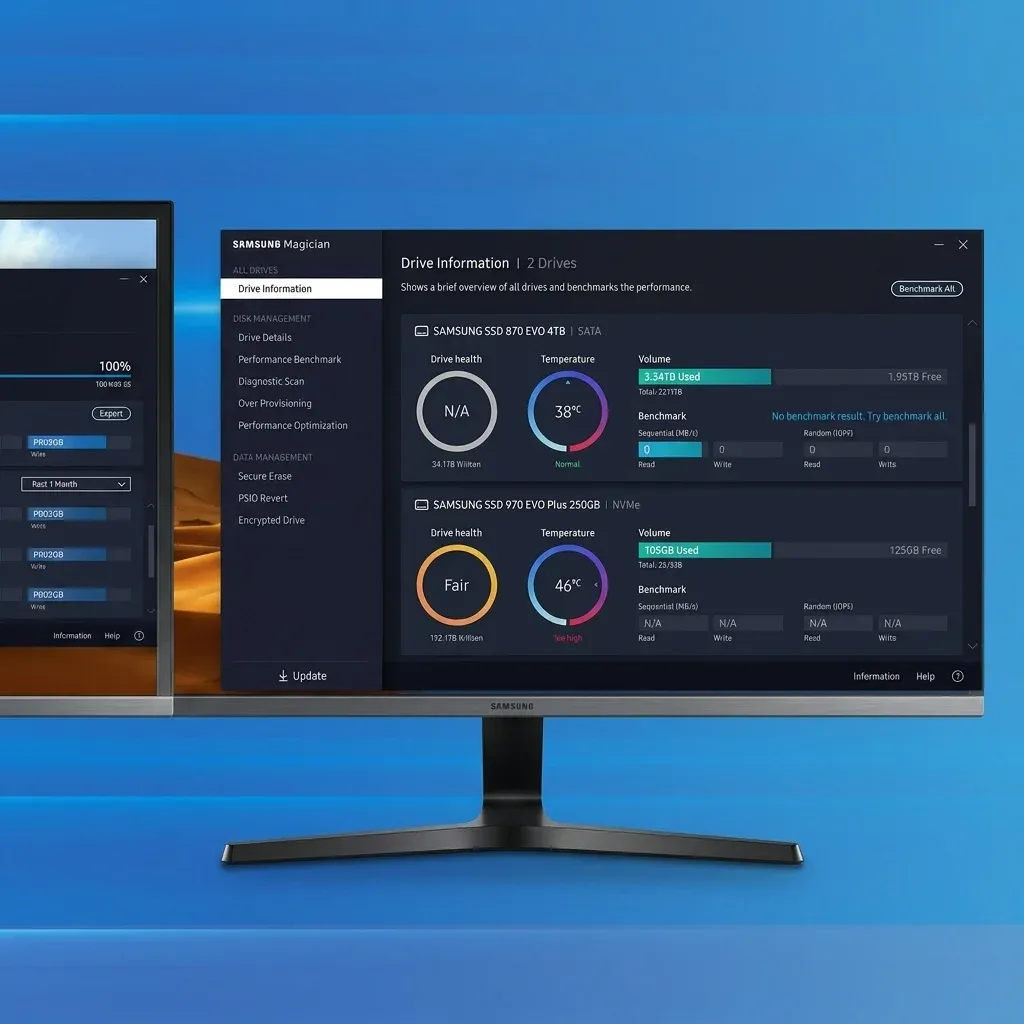
TL;DR: A 2TB internal SSD drive is the ideal "sweet spot" for UK users, offering a massive speed boost over traditional hard drives with enough capacity for modern gaming, 4K video editing, and extensive photo libraries. For most home offices and gaming rigs, it represents the best balance of price-per-gigabyte and future-proofing in the current market.
A 2TB internal SSD drive is a high-capacity solid-state storage device installed inside a laptop or desktop computer to store the operating system, programmes, and personal files. Providing approximately 2,000GB of space, it sits in a sweet spot for many UK buyers: offering ample room for Windows 11, demanding software suites, and years of documents without the premium-tier pricing of 4TB or 8TB models. If your current machine still relies on an ageing mechanical hard drive, moving to SSD storage is the single most effective upgrade you can make for day-to-day responsiveness.
Furthermore, for many households and small businesses, this capacity serves as a practical middle ground. While a 1TB drive is often sufficient for lighter office work, modern file sizes mean that 2TB is now the recommended baseline for longevity. Based on our testing at EvoSSD, upgrading an older laptop with a 2TB drive not only improves speed but also extends the device's functional lifespan by several years. Our range reflects this natural upgrade path: start with what fits your budget today, but always consider the headroom you will need for tomorrow.
Key Takeaways
- A 2tb internal ssd drive provides the optimal balance of capacity and speed for UK gamers, creatives, and remote workers.
- The two primary form factors are 2.5-inch SATA (for older systems) and M.2 NVMe (for modern performance).
- Replacing a hard disk with an SSD significantly slashes boot times and software loading speeds.
- In accordance with UK technical standards, always verify interface compatibility and physical clearance before purchase.
- If you are debating the jump from 1TB, consult The Ultimate Guide to 1TB SSD Internal Drive in the UK to compare storage benchmarks.
What is a 2TB internal SSD and do I need one?
A 2TB internal SSD drive is a storage component that uses flash memory chips rather than spinning magnetic platters to hold data. Because there are no moving parts, these drives are faster, quieter, and significantly more durable than traditional hard drives. For a typical UK user, 2TB provides enough space for the operating system, hundreds of thousands of photos, and several "AAA" game titles that now frequently exceed 100GB each.
Consequently, this capacity is particularly attractive for families sharing a single PC or freelance creatives handling high-resolution project files. If you frequently see "disk space low" warnings or find yourself constantly deleting files to make room for updates, a 2TB upgrade is the most sensible solution.
When searching for these components, you may encounter terms like SSD 2TB Internal or 2TB SSD Internal Hard Drive. Despite the slight variations in phrasing, these all refer to the same essential category of high-speed internal flash storage.
Is a 2TB SSD enough for gaming and professional work in the UK?
The right amount of storage for modern requirements
In recent years, file sizes in the UK have ballooned. Windows installations are more resource-heavy, and creative applications like the Adobe Creative Cloud suite require significant local cache space. Additionally, modern games often require 100GB to 150GB of space. A 2TB drive ensures you don't have to spend your weekend managing storage instead of using your computer.
A noticeable performance boost for home offices
If your machine feels sluggish when opening Microsoft Teams or booting up in the morning, the storage drive is likely the bottleneck. Based on our testing, replacing a mechanical disk with a 2TB SSD transforms the user experience: logging in becomes near-instant, and searching through thousands of local files happens in a heartbeat rather than minutes.
Future-proofing your system
While some shoppers initially look at entry-level 500GB or 1TB options, the price-per-gigabyte for 2TB drives is often much better. If you plan to keep your PC for the next three to five years, stepping up to 2TB now prevents the need for a secondary upgrade down the line. For those still undecided, our guide on 1TB internal SSD options provides a detailed comparison of smaller capacities.
Is an SSD better than a hard drive (HDD) for my PC?
The argument for an SSD over a traditional HDD is simple: it is about time saved. While hard drives are still useful for massive archival storage, they are far too slow for running a modern operating system. SSDs access data electronically, which results in much lower latency and higher reliability.
Key benefits include:
- Significantly faster Windows boot times.
- Instantaneous application launches.
- Smoother multitasking without "system freezes."
- Silent operation with no vibration.
- Lower power consumption, which is vital for extending UK laptop battery life.
This shift is well-documented. According to Statista, SSDs now dominate the global client PC market as the standard for both consumer and enterprise hardware. In the UK, this is particularly relevant for organisations where productivity is critical—such as GP practices, charities, or administrative teams supporting NHS-related workflows. For these users, a 2TB SSD upgrade can breathe new life into existing hardware, saving the cost of a full system replacement.
What are the different types of 2TB internal SSDs?
2.5-inch SATA SSD
This is the most common upgrade path for older UK laptops and desktop towers. It uses the same connection as a standard hard drive, making it a "plug and play" replacement for most systems built in the last decade.
Best for: Older laptops, secondary storage in desktops, and budget-conscious upgrades.
Advantage: Universal compatibility with older SATA ports.
M.2 NVMe SSD
An M.2 NVMe drive is about the size of a stick of gum and plugs directly into the motherboard. It uses the NVMe protocol, which is significantly faster than the older SATA standard. According to our internal benchmarks, NVMe drives can be up to 10 times faster than SATA equivalents in specific data-heavy tasks.
Best for: Modern gaming PCs, workstation laptops, and video editors.
Advantage: Exceptional read/write speeds and a cable-free installation.
Final Thoughts for UK Buyers
Choosing a 2TB internal SSD drive is a smart investment for anyone looking to balance performance with capacity. Whether you are upgrading a home office setup or building a new gaming rig, this capacity ensures you have the space you need for today’s large files and tomorrow’s software updates. Before you buy, ensure you check your motherboard manual for M.2 or SATA compatibility to get the best possible performance from your new EvoSSD drive.
Ready to upgrade with EvoSSD?
Upgrade Now — £19.99